
2026 Industry Whitepaper
2026 Industry Whitepaper: The Future of Global Form Digitization & Automation
Explore the $11.189B online form market. Learn how AI-powered PDF automation delivers 20x ROI, reduces errors to <1%, and secures document workflows for healthcare & legal sectors.
Executive Summary
The global business landscape is undergoing a profound shift from traditional paper-based processes to intelligent, automated digital workflows. As organizations strive for greater efficiency, compliance, and cost reduction, the demand for document automation solutions has surged. The online form builder market is experiencing robust growth, with a compound annual growth rate (CAGR) exceeding 11%, and is projected to reach approximately $10 billion by 2032.
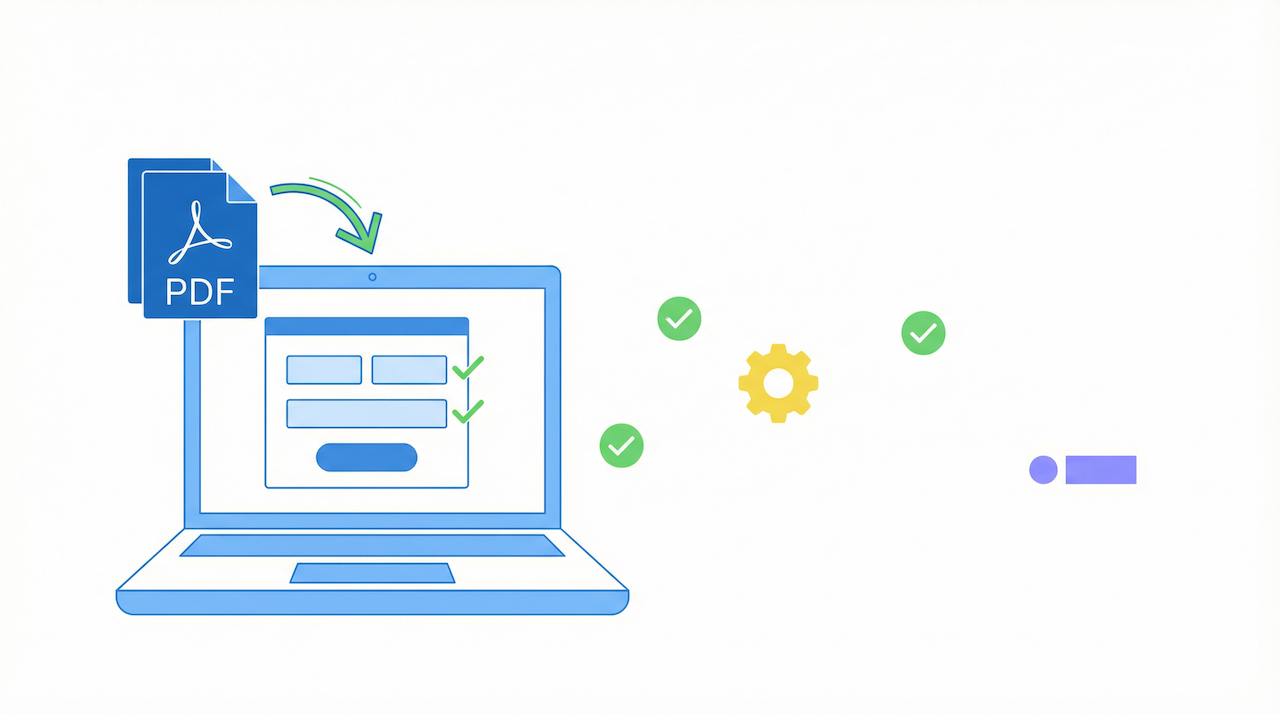
PlatoForms is an AI-powered, PDF-first form automation platform designed for organizations that manage documents as part of their core operations. In document-heavy industries, workflows typically originate from existing PDFs — contracts, applications, medical records, government filings, and compliance documents. PlatoForms converts these PDFs into online, mobile-friendly forms using AI, without altering the original layout or requiring manual rebuilding. Every submission produces a completed PDF in its original format, suitable for approvals, compliance filing, and archiving.
Beyond PDF conversion, PlatoForms also provides an AI Form Generator, 2,000+ ready-to-use templates, and end-to-end workflow automation — enabling organizations to reduce data entry error rates from an industry average of 20% to less than 1%. The new PDF Document Creator extends this further, enabling teams to design new documents from scratch using an AI assistant — contracts, letters, and certificates — and convert them to fillable forms in one click. Together, these capabilities support measurable operational improvements across healthcare, education, legal, and beyond.
1. Market Overview & Growth Drivers

1.1 The Expanding Digital Ecosystem
The transition toward paperless environments is accelerating across all sectors. The global online form builder market, valued at approximately $4.06 billion in 2024, is projected to grow at a CAGR of 11.18%, reaching an estimated $11.189 billion by 2032. Concurrently, the broader Document Management System (DMS) market is expected to expand from $7.68 billion in 2024 to $18.17 billion by 2030, driven by the universal need for remote accessibility and secure data handling.
Organizations operating in document-heavy industries — healthcare, legal, finance, and government — sit at the intersection of these markets. They require solutions that combine the usability of online forms with the compliance and fidelity of document management systems.
1.2 Core Growth Drivers
The rapid expansion of the form digitization market is propelled by several interconnected factors:
Enterprise Digital Transformation: Organizations are actively seeking to eliminate manual data entry, reduce physical storage costs, and streamline operational workflows. The shift toward remote and hybrid work models has made cloud-based document accessibility a fundamental requirement rather than a luxury.
Compliance & Data Security: Stringent regulatory frameworks, such as HIPAA in healthcare and GDPR across various sectors, mandate secure, auditable data collection processes. Digital forms with built-in encryption and access controls provide a level of security that physical paper simply cannot match.
Technology Convergence: The integration of Artificial Intelligence (AI), Machine Learning (ML), and Intelligent Document Processing (IDP) has transformed document workflows fundamentally. AI can now detect fields and structure inside existing PDFs automatically, generate complete forms from plain-text prompts, and route submissions through multi-step approval processes — reducing setup time from hours to minutes.
| Market Segment | 2024 Size | Projected CAGR | Core Drivers |
|---|---|---|---|
| Online Form Builders | $4.06B | 11.18% | Data-driven decision making, cloud adoption |
| Document Management Systems | $7.68B | 15.90% | Paperless initiatives, remote work enablement |
| Intelligent Document Processing | $2.30B | 24.70% | AI integration, workflow automation |
| Electronic Signatures | $5.24B | 40.50% | Legal compliance, remote transactions |
2. The Hidden Costs of Paper Processes & Digital ROI
2.1 The True Cost of Paper
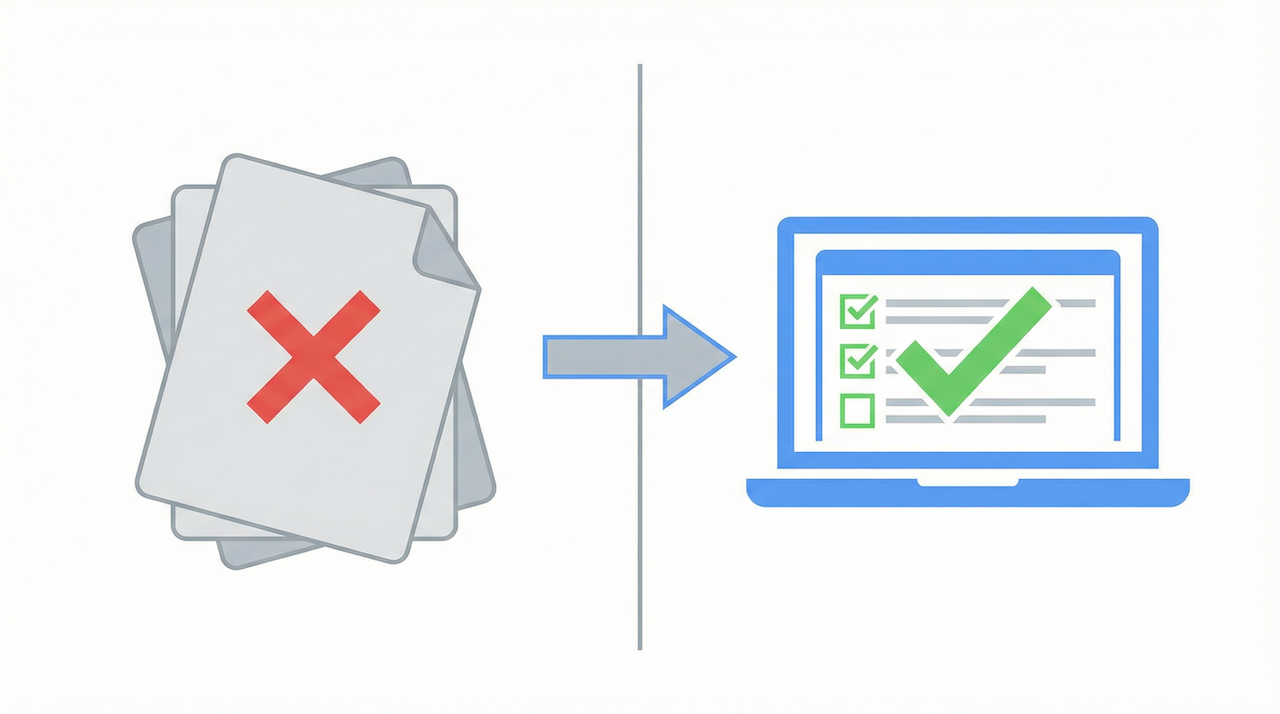
While the direct costs of paper, printing, and physical storage typically consume 1% to 3% of a company’s revenue, the hidden operational costs are far more substantial. Industry estimates suggest the comprehensive cost of managing paper documents can be 13 to 31 times the purchase cost of the paper itself, when storage, filing, retrieval, and disposal costs are factored in.
Productivity Drain: According to a McKinsey Global Institute report, employees spend an average of 1.8 hours every day — roughly 9.3 hours per week — searching and gathering information, equivalent to one full working day lost per week. Meanwhile, IDC research indicates that document-related challenges account for up to 21.3% of productivity loss, costing the average business approximately $19,732 per information worker annually.
Furthermore, manual data entry from paper forms carries a typical error rate between 1% and 4%. Following the “1-10-100 Rule” of data quality management, the cost of these errors grows exponentially over time: correcting a single entry mistake that has flowed downstream can range from $50 to $150, excluding potential compliance penalties or lost customer trust.
2.2 The ROI of Digital Transformation
Transitioning to digital forms delivers immediate, measurable returns across an
organization’s entire operation:
-
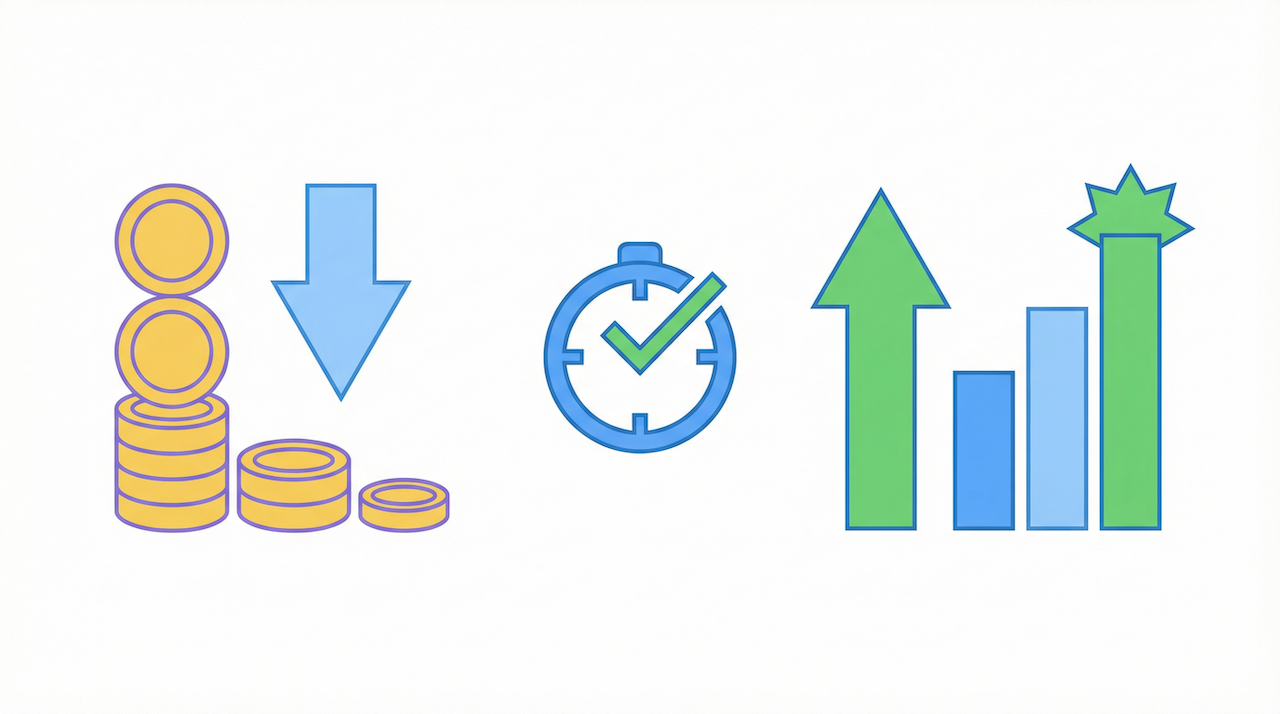
Improved Data Accuracy: Smart features—including conditional logic, mandatory validation rules, and dynamic dropdowns—systematically reduce human error and illegibility. Post-digitization, standard data entry error rates typically fall from 20% in complex manual processes to an average of just 0.67%.
-
Significant Time Savings: Automated routing, pre-filled fields, and real-time data synchronization reduce the administrative burden associated with paper-based processes. This allows processing teams to redirect time toward higher-value work. PlatoForms customers report reclaiming hours of administrative time each week — see customer stories.
-
Structural Cost Reduction: The financial impact extends beyond time. According to a 2023 Forrester study, organizations utilizing digital document workflows reduced paper-related consumption by an average of 80%, while significantly lowering the overhead costs associated with physical filing, onsite storage, and courier services.
Quantify Your Savings: Discover exactly how much time and capital your team can reclaim with our ROI Simulator.
3. Industry Deep Dive: The Healthcare Form Revolution
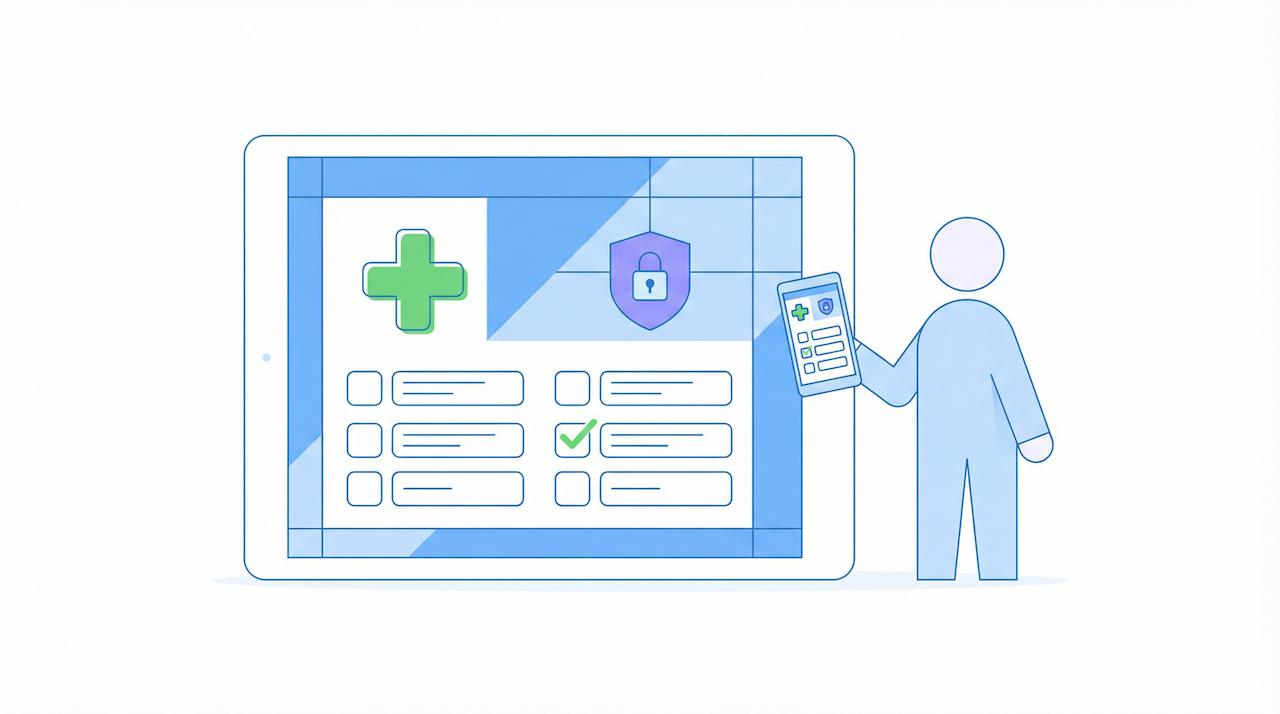
The healthcare sector exemplifies the transformative power of digital forms, where efficiency directly impacts patient care and operational viability. In an era of provider shortages and rising costs, the transition from paper to digital intake is no longer a luxury—it is a strategic necessity.
3.1 Evolving Patient Preferences
Modern patients equate digital convenience with professional care. They no longer tolerate the “clipboard and pen” experience in the waiting room. Research shows that 92% of patients want the ability to complete pre-visit questionnaires and forms online. Furthermore, 81% prefer filling out forms digitally from any device, and 76% say they would choose one healthcare provider over another specifically because it offers online intake — all else being equal.
(Source: Lobbie Institute, “A Survey of Patient Preferences for Digital Versus Paper Intake Forms”)
3.2 Operational Efficiency and Revenue Cycle Management
The impact on check-in speed is immediate and measurable. Digital intake solutions reduce new patient registration from an average of 25 minutes down to just 5–7 minutes, while returning patient check-ins drop to under 2 minutes.
Beyond the waiting room, data accuracy at the point of intake has a direct impact on the revenue cycle. A significant share of initial medical claim denials stem from demographic or technical errors — missing patient details, incorrect ID numbers, or absent authorization codes — that originate during manual intake. Eliminating these errors at the source through validated digital forms substantially reduces downstream denials and rework.
The efficiency gains are documented across markets: Dr. Curtis Fischer of Palatine Wellness & Pain (Chicago) achieved 90% workflow automation after switching to digital forms, reclaiming 15 hours every week previously spent on writing, scanning, and re-entering patient information. A London-based healthcare team led by Operations Director Amit Patel reported an 80% reduction in form errors following digitization, alongside a 3x improvement in processing turnaround time.
4. Competitive Landscape & PlatoForms’ Strategic Positioning

4.1 Market Competitive Landscape
The digital form and document automation market features several well-established categories of solutions. However, most organizations fail to realize that the “digital form” they are using cannot create the “official document” they need for filing. This creates a friction point that PlatoForms closes.
General Form Builders (e.g., JotForm, Typeform)
These platforms are built around a data-first philosophy: start with a blank canvas, collect data, then optionally export results as a PDF. While they excel at simple web collection, their “Smart PDF” features often create submission reports rather than precise replicas of legally required documents. For industries where the specific layout of a PDF is mandatory (e.g., government filing, regulated contract), this distinction matters.
E-Signature & Document Giants (e.g., Adobe Acrobat, DocuSign)
Adobe is the master of PDF creation, but its form automation features are often static and desktop-bound. DocuSign is built for the “envelope-and-signature” workflow: users upload a pre-filled or near-complete document for signing. Neither was designed for complex, high-volume form intake or multi-step approval routing.
Enterprise Workflow Platforms (e.g., Formstack)
These tools offer deep integrations and complex logic, but they are often complex to manage and exceptionally data-centric. PDF output is an integration option, not the organizing principle.
The persistent gap across all three categories is this: the PDF is treated as an output or an afterthought — not as the primary source of truth.
4.2 PlatoForms’ Unique Value Proposition
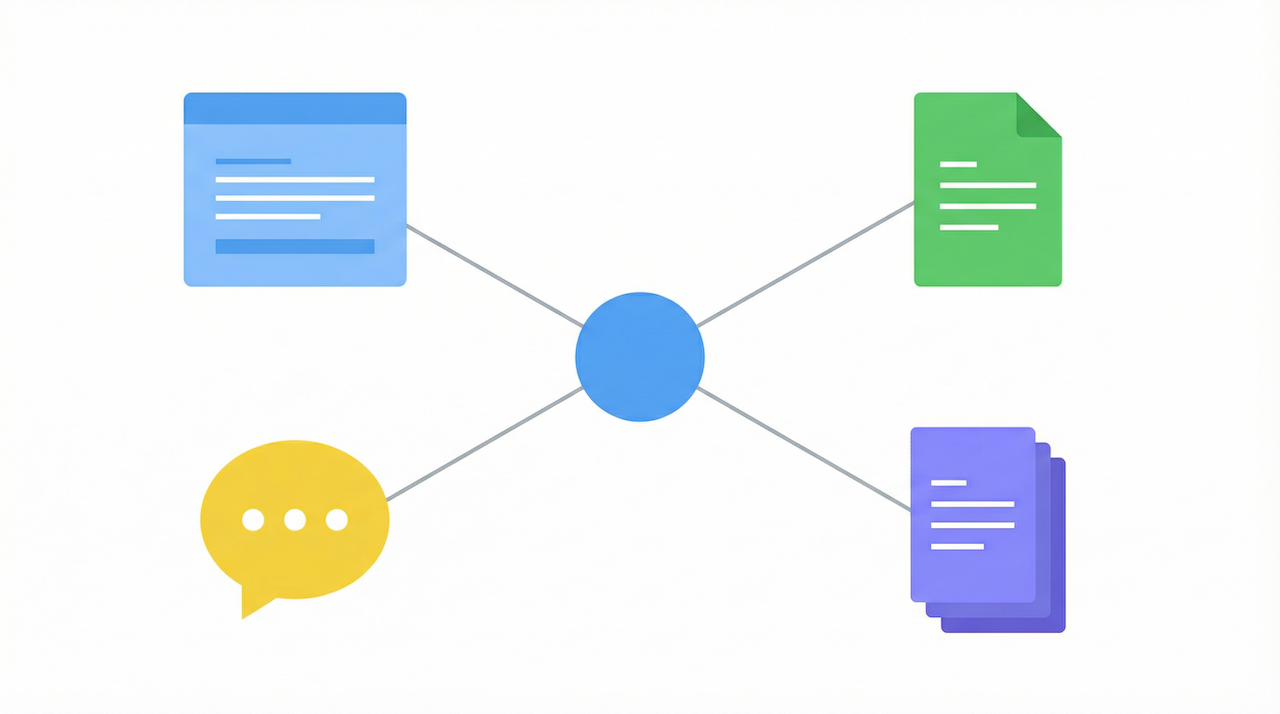
PlatoForms operates on a “Document-In, Document-Out” philosophy. It is designed for sectors where document integrity is non-negotiable — healthcare, legal, finance, and government — and where a submitted form is rarely the end of the process.
In these environments, the PDF is the official record: the document that must be filed, audited, and retained. The platform is built around this requirement, covering not only the data collection step but the full sequence that follows — approvals, signatures, final document generation, and compliant archiving.
PlatoForms’ features are shaped by this end-to-end perspective — whether the starting point is an existing PDF or a new document designed from scratch.
This document-centric approach shapes every feature PlatoForms offers:
1. Native PDF Fidelity (The “Document-Out” Promise)
Upload a legally reviewed PDF and PlatoForms preserves its exact layout and formatting. Every submission generates a completed, unchangeable PDF in its original format—ready for approvals, immediate compliance filing, and archiving—with zero manual reconstruction required. For teams that need to create a new document rather than convert an existing one, the PDF Document Creator generates contracts, letters, and certificates from a plain-language prompt — then converts them to fillable online forms with one click.
2. AI-Driven Automation
PlatoForms’ AI automatically detects and maps fields inside uploaded PDFs—text boxes, checkboxes, tables—converting static files into active workflows in seconds. The AI Form Generator enables teams to move from a plain-text prompt to a published form instantly. For teams working in design tools, the Canva App integration converts Canva designs directly into fillable forms using the same AI field detection — no rebuilding needed.
3. Multi-Dimensional Form Experience
PlatoForms provides five distinct form and document experiences from a single platform:
- Web Form: Mobile-responsive, high-speed data entry.
- Conversational Form: Interactive chat-style UI; achieves 15–40% higher completion rates than traditional layouts (FormFlux, 2026).
- Online Fillable PDF: The core capability that turns static PDFs into interactive online documents while maintaining document integrity.
- Master Form: A powerful Single Source of Entry designed for complex, multi-document workflows such as onboarding packages or legal bundles.
- PDF Document Creator: An AI-powered canvas editor for designing new documents from scratch — contracts, letters, certificates, and reports — with the option to export as PDF or convert to a fillable online form.
Beyond form types, PlatoForms provides 2,000+ ready-to-use templates and end-to-end workflow automation with multi-step approval routing, so organizations can digitize, collect, and process documents without switching platforms.
4. Enterprise Security for All
PlatoForms delivers built-in e-signatures and HIPAA compliance at price points that remove the entry barrier, making secure document automation accessible to organizations of all sizes.
5. Future Trends & Technology Outlook
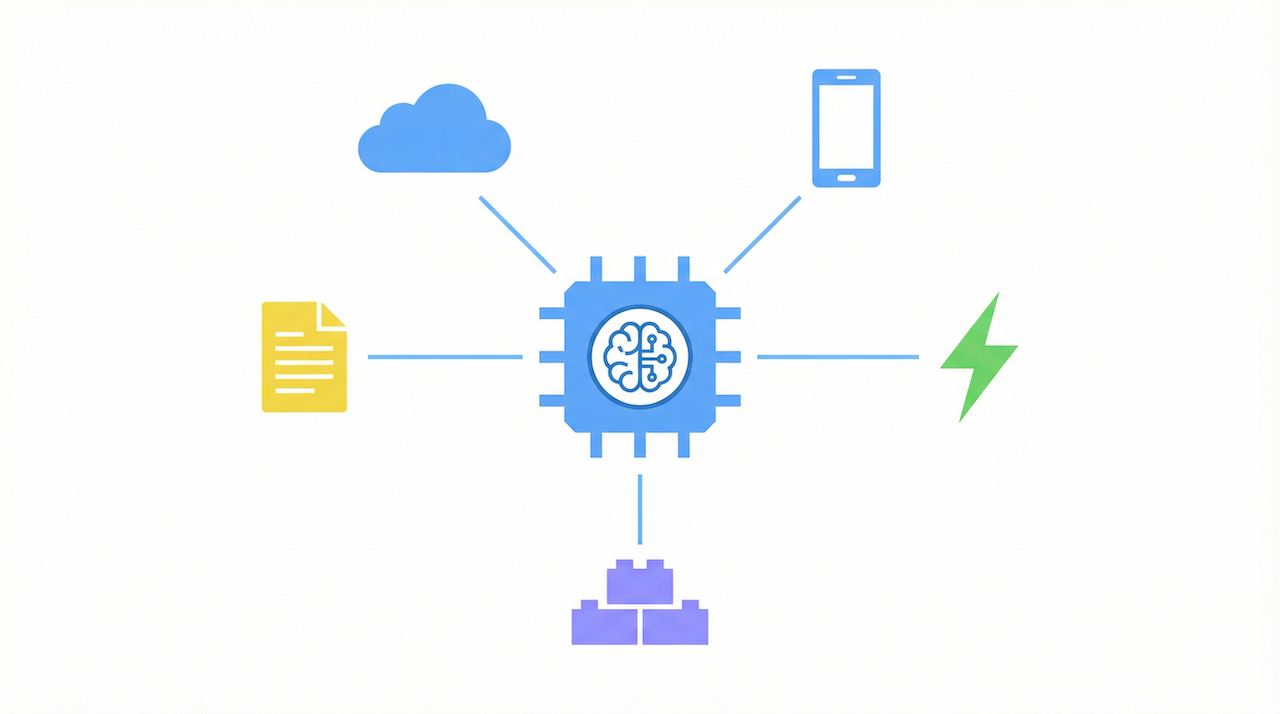
As the industry evolves, several key trends will shape the future of document digitization — and define which platforms are built for what comes next.
5.1 Deep Integration of AI & IDP
The Intelligent Document Processing (IDP) market was valued at $2.3 billion in 2024 and is projected to grow at a CAGR of 24.7% through 2034, reaching over $14 billion (Grand View Research, 2024). Future form solutions will increasingly rely on AI not just for field recognition, but for predictive data entry, automated classification, and decision-making based on document inputs.
PlatoForms is already positioned within this trajectory: its AI field detection converts uploaded PDFs into active workflows in seconds, and its AI Form Generator enables teams to build complete forms from plain-text prompts — capabilities that reflect the direction the broader IDP market is heading.
5.2 Low-Code/No-Code Ecosystems
By 2030, the low-code/no-code development market is expected to hit $101.7 billion (Grand View Research, 2024). This shift reflects a fundamental change in business operations: the power to build and automate must reside with the people closest to the work, not just the IT department.
PlatoForms’ ecosystem of 6,000+ integrations via Zapier and Make embodies this “citizen developer” movement. It enables operations teams to weave sophisticated document workflows into their existing tech stacks without writing a single line of code.
5.3 End-to-End Workflow Automation
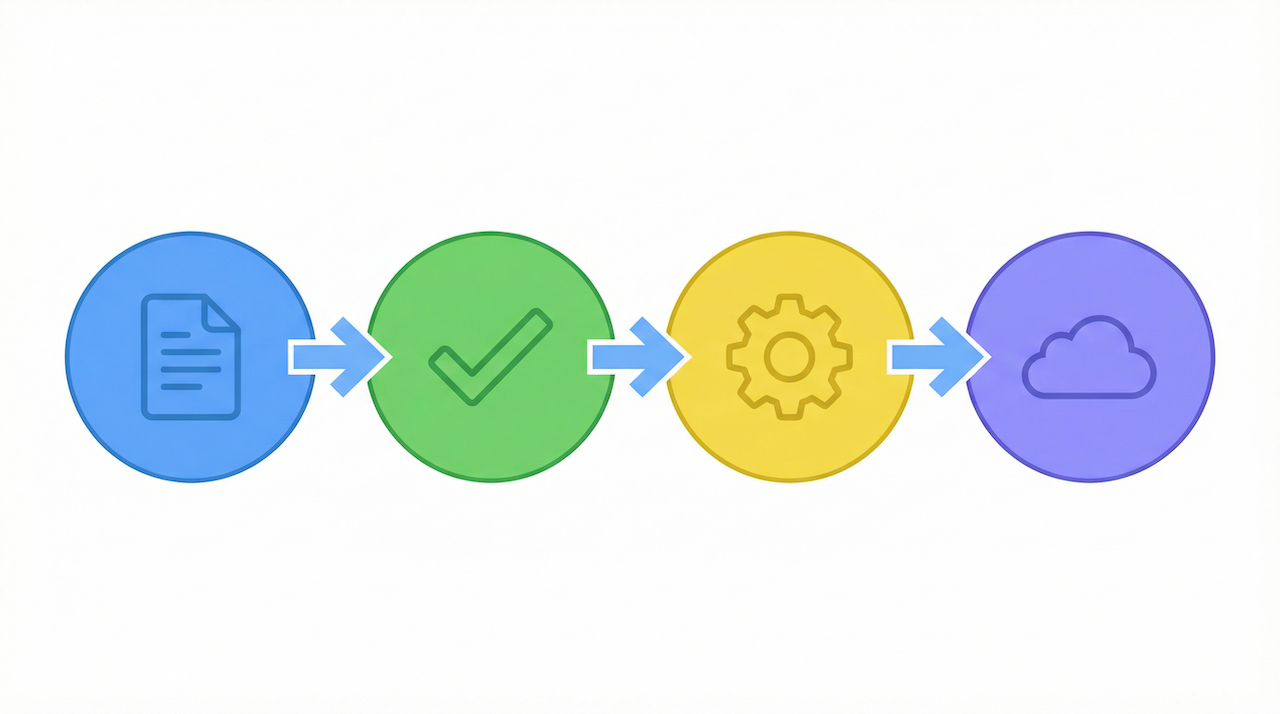
The focus is shifting from isolated data collection to complete document lifecycle management. Organizations increasingly require a single platform to handle the entire workflow: from initial data capture via conversational or web interfaces, through multi-step approval routing, to final document generation, e-signature, and secure cloud archiving.
This end-to-end capability is the direction the market is moving — and it is the architecture PlatoForms is built around today.
6. Transforming Industries at Scale

PlatoForms powers digital form workflows across more than 50 industries. The platform’s versatility in handling diverse document types and compliance requirements
makes it a natural fit for organizations of all sizes.
| Industry | Key Use Cases | Impact Highlights |
|---|---|---|
| Healthcare | Patient intake, consent forms, HIPAA-compliant records | 90% automation, 80% less paperwork |
| Legal | Client intake, case documentation, compliance forms | 4x faster processing, zero manual scans |
| Education | Enrollment, course registration, parent consent | Streamlined multi-campus operations |
| Real Estate | Property applications, lease agreements, inspections | Real-time contract management |
| Finance & Banking | Loan applications, KYC verification, account opening | Secure, auditable document trails |
| HR & Recruiting | Job applications, onboarding, performance reviews | Reduced time-to-hire, fewer errors |
| Government & Non-Profits | Permits, applications, regulatory filings | 80% less paperwork, 2x faster processing |
Healthcare: Dr. Curtis Fischer, Palatine Wellness & Pain; Amit Patel, London Healthcare Team. Legal: Keith Progebin, NJ Legal. Non-Profit: Max Ufer, Germany.
With 2,000+ ready-to-use templates and proven results across healthcare, legal, government, and beyond, PlatoForms
adapts to the unique compliance and workflow requirements of each sector — while maintaining a consistent, user-friendly experience for teams of all sizes.
Conclusion
The transition from paper to digital is no longer a mere operational upgrade — it is a fundamental requirement for maintaining competitiveness in the modern business
environment. The hidden costs of paper processes, measured in lost productivity, high error rates, and delayed workflows, are no longer sustainable.
What organizations increasingly need is not just a form builder, but a platform that treats documents the way their workflows actually do: as the source of truth, not a byproduct. This is the gap PlatoForms was built to close.
For most organizations, the digitization process begins with a form. But the outcomes that matter — a signed contract, a filed compliance record, an archived patient intake — extend well beyond the point of data collection. PlatoForms is built to support the full sequence, from initial submission to final archive.
By combining AI-powered field recognition, native PDF fidelity, and versatile form experiences — including Conversational Forms, Master Forms, PDF Document Creator, and end-to-end workflow automation — PlatoForms enables organizations across healthcare, legal, finance, government, and beyond to digitize without compromise. Built-in e-signatures, HIPAA compliance, and integrations with over 9,000 applications deliver enterprise-grade capability at price points accessible to organizations of all sizes.
As the industry moves toward deeper AI integration, low-code ecosystems, and end-to-end document automation, PlatoForms is positioned at the intersection of these trends — providing the infrastructure for organizations to move from isolated form collection to complete, compliant document lifecycle management.
Move from paper to process
Turn the documents in this report into production-ready online workflows.
PlatoForms keeps your approved PDF structure intact, then layers on automation, e-signatures, data validation, and workflow routing.