







PlatoForms Blog

Tag: How-To

Branching Survey Design: How to Build Surveys People Actually Finish

Branching Survey Design: How to Build Surveys People Actually Finish

Key Takeaways Branching exists to remove questions, not add them. The goal of every branch is a respondent who never sees an irrelevant question — not a more elaborate survey. Design the “no” path as carefully as the “yes” path. Most abandoned branching surveys fail on the answer the designer didn’t plan for, not the one they did. Shallow beats clever. Two or three branch levels cover almost every real use case; anything deeper usually means the survey is trying to do too much. Every path needs to be walked, not just the main one. A branching survey that’s only ever tested top-to-bottom will have broken paths nobody’s found yet. A branching survey shows or hides questions based on how someone answers the ones before it — so a respondent who says “no” to owning a car never sees three follow-up questions about their commute. Done well, it feels like the survey is paying attention. Done poorly, it feels like a maze: dead ends, questions that don’t make sense given what was already answered, or a “back” button that undoes more than intended.

Read More

New Employee Onboarding Checklist: 13 Steps to Set New Hires Up to Stay

New Employee Onboarding Checklist: 13 Steps to Set New Hires Up to Stay

Key Takeaways Onboarding is a retention decision, not a paperwork task. Most of the “will I stay here” decision gets made in the first few weeks, long before a performance review ever happens. A checklist beats a memory. The moment onboarding depends on one manager remembering everything, it becomes inconsistent — and inconsistency is what new hires notice first. Clarity beats enthusiasm. A warm welcome matters, but a new hire who doesn’t know what “good” looks like in week one will start doubting the job by week three. Onboarding doesn’t end on day one. The first 90 days matter more than the first morning — that’s where most early departures actually happen. New hires quit for a lot of reasons, but a surprising number of them trace back to the same root cause: the first few weeks felt disorganized, unclear, or like nobody had really planned for them to arrive. The numbers back this up — employees who go through a structured onboarding program are roughly 58% more likely to still be with the company after three years, and organizations with a standard onboarding process see about 50% greater productivity from new hires, according to SHRM. Despite that, only 29% of new hires say they feel fully prepared and supported to succeed in their role once onboarding is over — a gap most companies could close with a checklist, not a bigger budget.

Read More
How to Collect Payments with Google Forms: 3 Methods

How to Collect Payments with Google Forms: 3 Methods

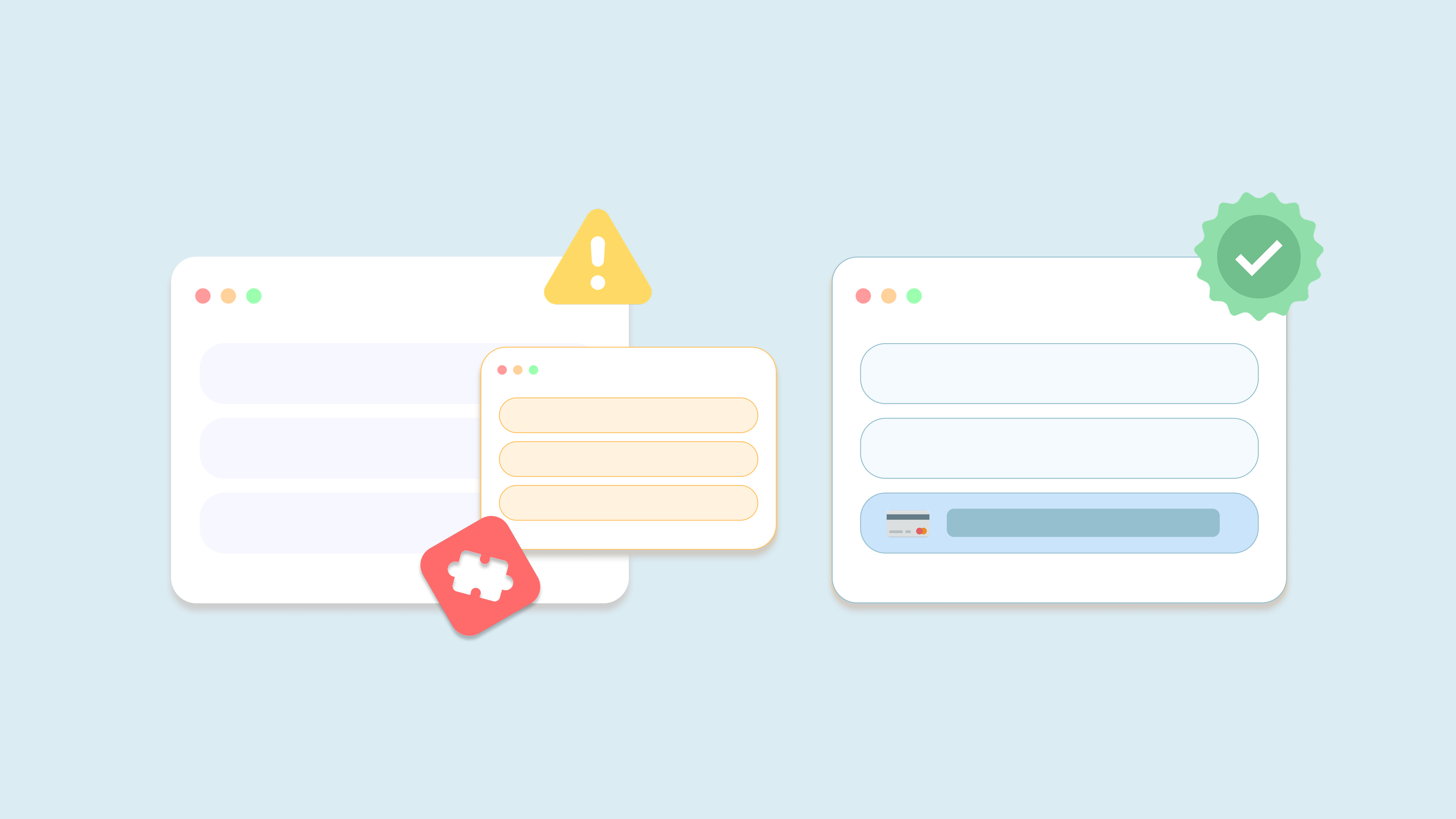
Google Forms does not include a payment question type or a native checkout. You can add a payment link, show a QR code, or install a third-party add-on. Payment links and QR codes keep the form response and payment separate. Some add-ons can connect them, but Google Forms does not provide that connection natively.

Read More