





PlatoForms Blog

Tag: Google Forms Alternative

Google Forms Team Collaboration: 5 Limitations That Matter

Google Forms Team Collaboration: 5 Limitations That Matter

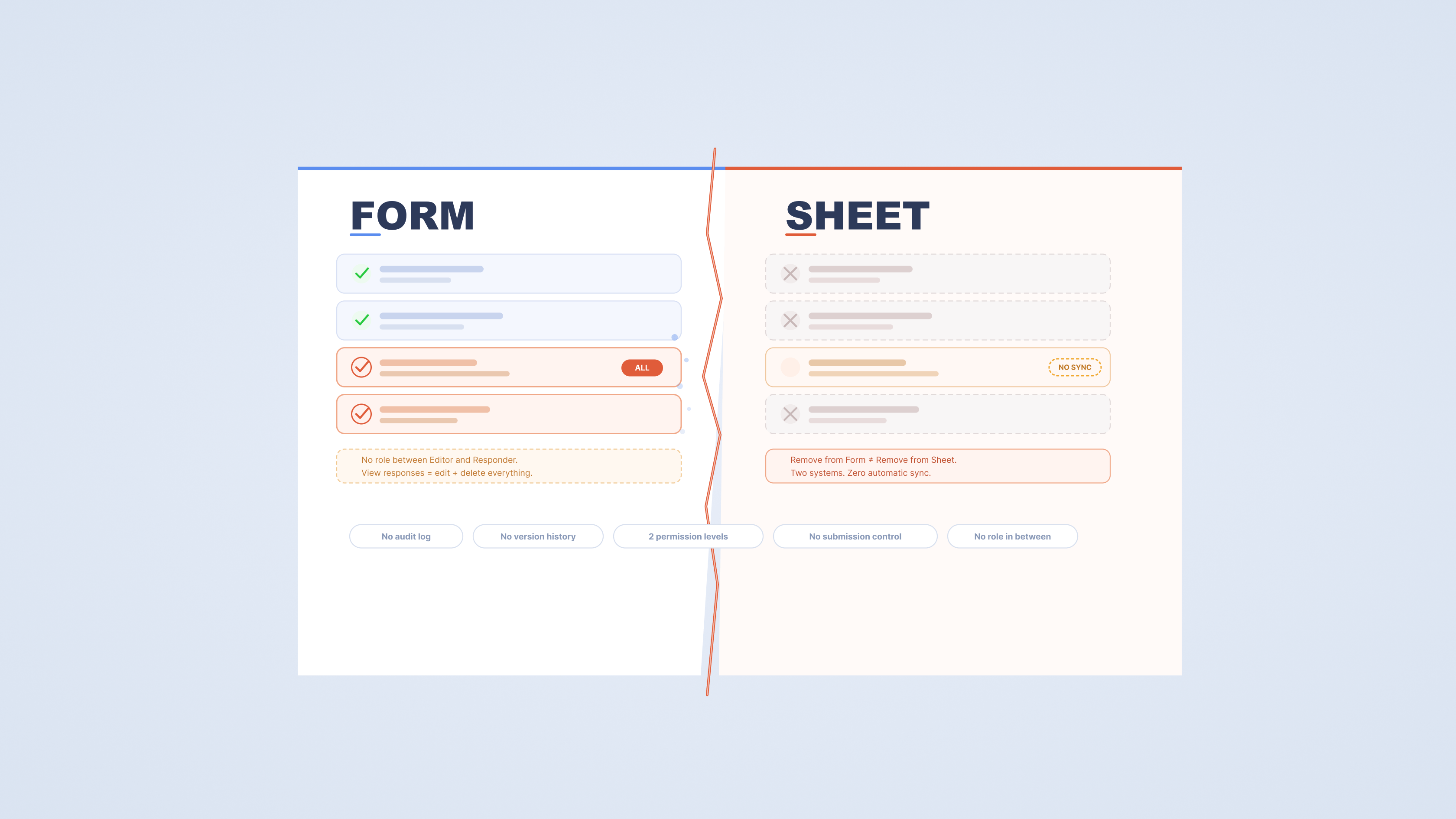
Google Forms works well when one person owns the form. When a team gets involved — multiple editors, different roles, sensitive response data — the friction starts to show up in specific, predictable ways.

Read More

Is Google Forms HIPAA Compliant? What Healthcare Providers Need to Know

Is Google Forms HIPAA Compliant? What Healthcare Providers Need to Know

Google Forms is one of the first tools healthcare providers reach for when setting up patient intake forms, consent forms, or health surveys. It’s free, familiar, and quick to deploy. But the most important question—is it HIPAA compliant?—deserves a careful answer before any patient data flows through it.

Read More
How to Import Google Forms to PlatoForms (Step by Step)

How to Import Google Forms to PlatoForms (Step by Step)

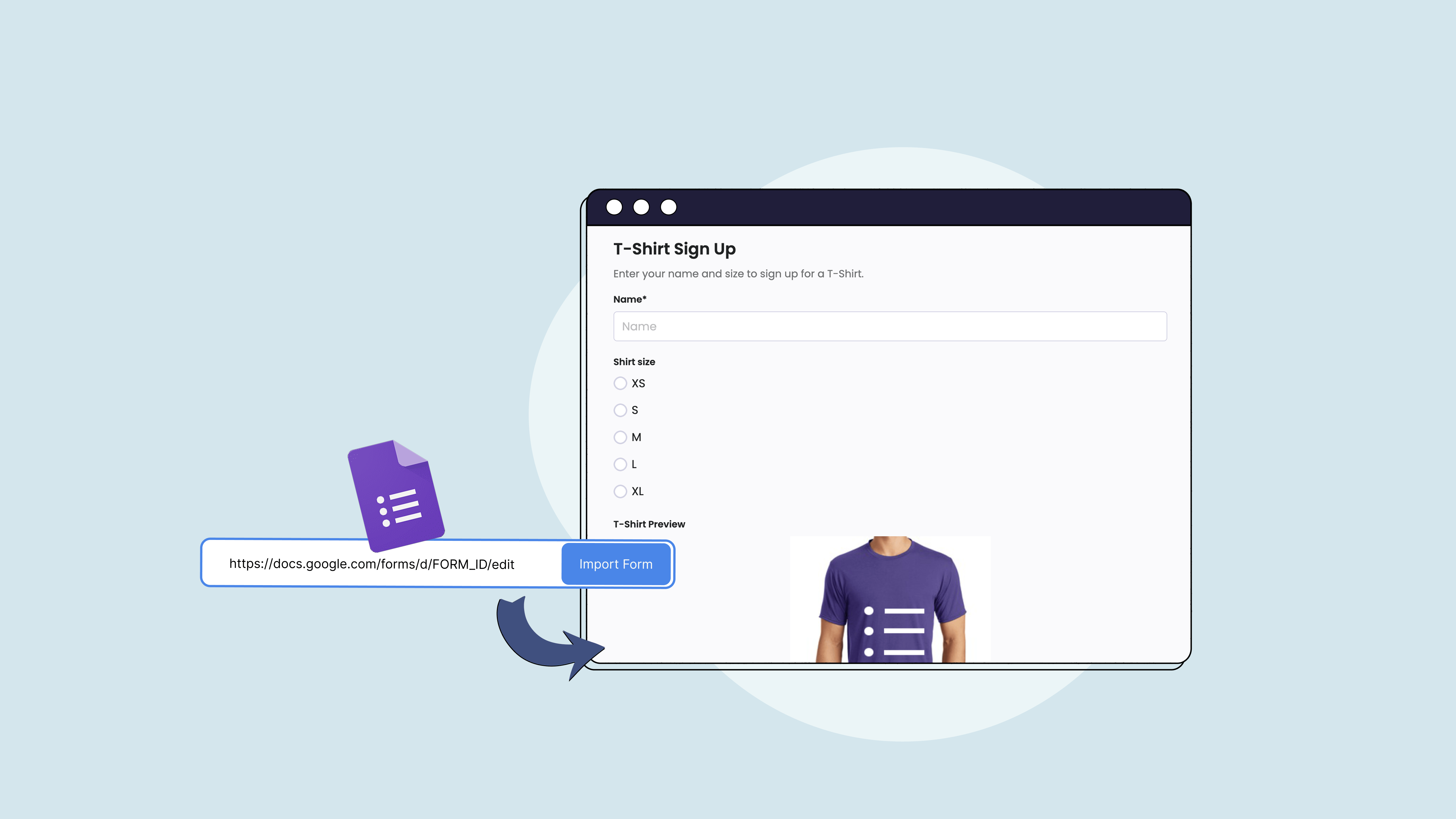
If you’ve built a form in Google Forms and want to move it to PlatoForms — to add PDF output, e-signatures, payments, or conditional logic — you don’t have to rebuild it from scratch.

Read More
When Google Forms Isn't Enough: A Practical Alternative Guide

When Google Forms Isn't Enough: A Practical Alternative Guide

Most articles about Google Forms alternatives spend a lot of time making Google Forms look bad. This one won’t do that.

Read More
10 Form Features Google Forms Doesn't Have

10 Form Features Google Forms Doesn't Have

Google Forms handles most things just fine. It’s free, straightforward, and if your goal is collecting responses and dumping them into a spreadsheet, it’s hard to beat.

Read More
When One Notification Isn't Enough: The Case for Logic-Based Email Routing

When One Notification Isn't Enough: The Case for Logic-Based Email Routing

Many businesses start with Google Forms because it’s free, familiar, and genuinely useful for simple data collection. As your team and processes grow, though, you may start noticing a familiar friction point: the “all-or-nothing” notification.

Read More
How to Make a Google Form Multi-Page—and 5 Limits to Know

How to Make a Google Form Multi-Page—and 5 Limits to Know

To make a Google Form multi-page, divide it into sections. Each section starts on a new page. Respondents use Next to move between sections, and the final section ends with Submit. You can also show a progress bar and route multiple-choice or dropdown answers to different sections.

Read More
How to Collect Payments with Google Forms: 3 Methods

How to Collect Payments with Google Forms: 3 Methods

Google Forms does not include a payment question type or a native checkout. You can add a payment link, show a QR code, or install a third-party add-on. Payment links and QR codes keep the form response and payment separate. Some add-ons can connect them, but Google Forms does not provide that connection natively.

Read More
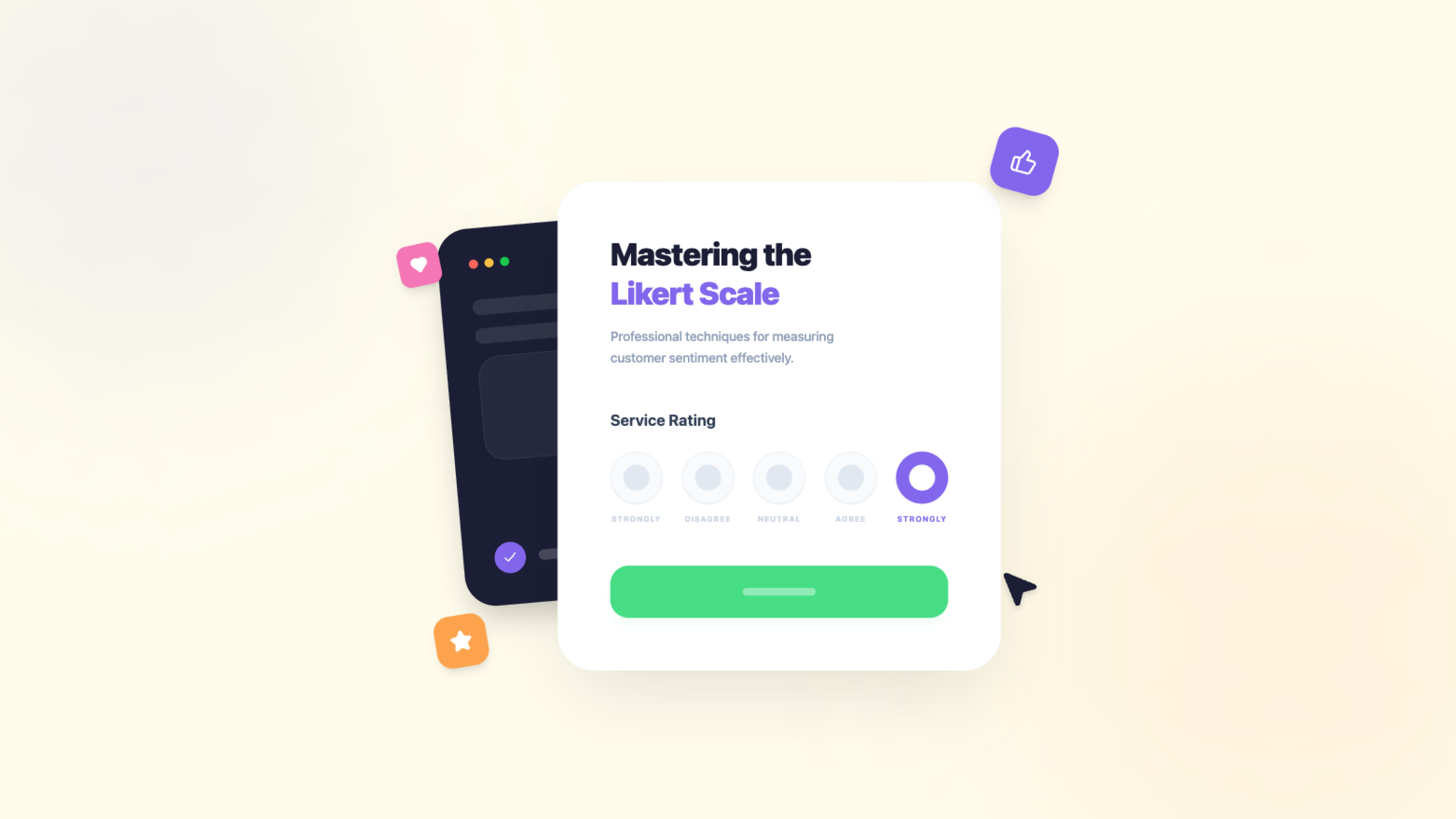
The 2026 Guide to Likert Scales in Google Forms: Avoid the 'Mobile Trap'

The 2026 Guide to Likert Scales in Google Forms: Avoid the 'Mobile Trap'

Imagine you ask a friend, “Do you like the new office coffee?” If they only have two choices—Yes or No—they might struggle to answer. What if the coffee is “just okay”? Or what if they absolutely hate it?

Read More
Google Forms AI: How Gemini Works and Its Current Limits

Google Forms AI: How Gemini Works and Its Current Limits

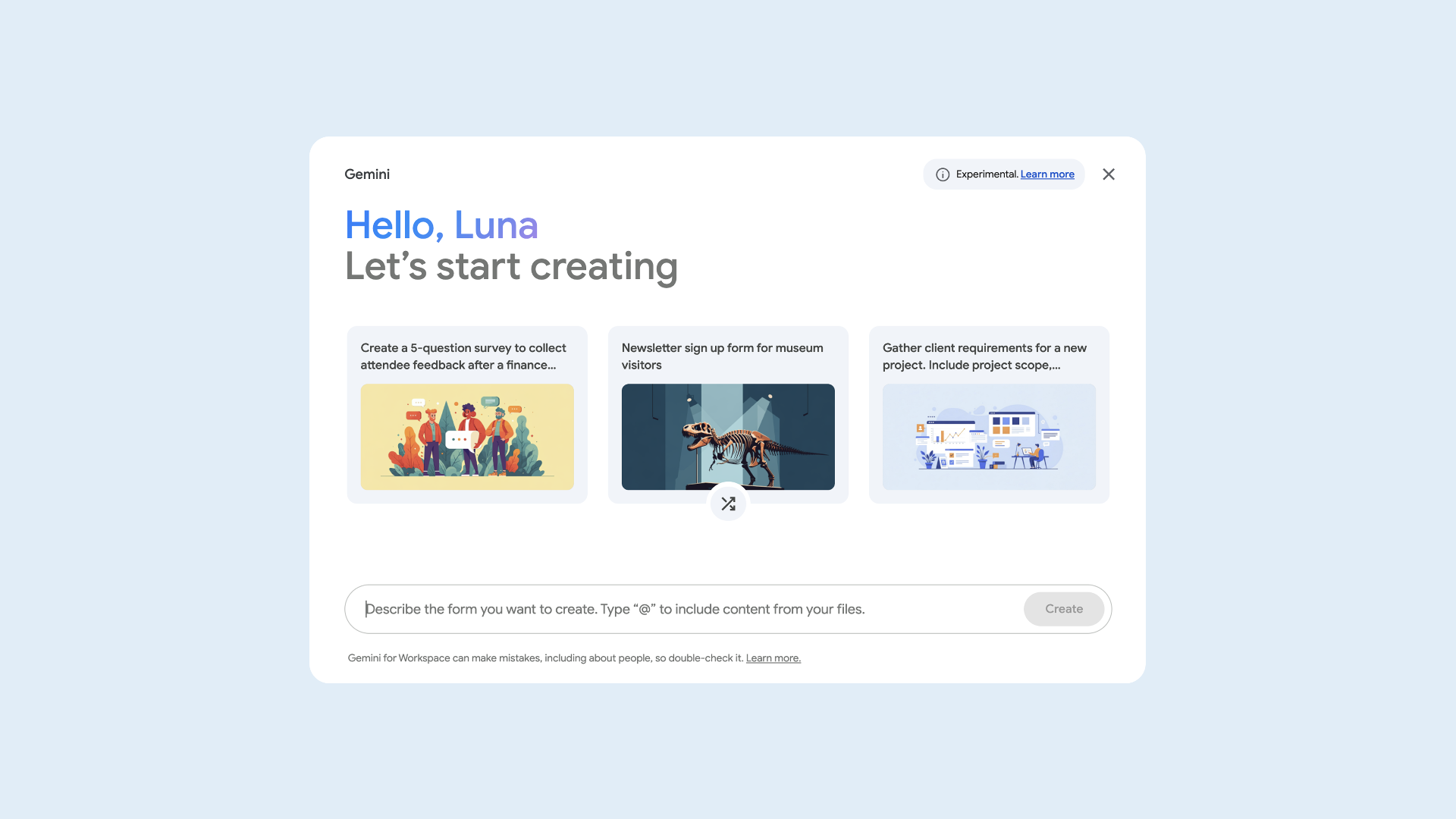
Google Forms AI uses Gemini to create a new form or quiz from a prompt, suggest questions for an existing single-section form, and summarize open-text responses. It can also use Google Drive files—including PDFs—as source material.

Read More
Survey vs Questionnaire: What's the Difference and When to Use Each?

Survey vs Questionnaire: What's the Difference and When to Use Each?

Raise your hand if you’ve ever gotten an email with a ‘quick survey’ attached, only to open it up and be greeted by a million open-ended essay questions. You think to yourself ‘This is no survey!’ But then
 what exactly is the difference between questionnaire and survey?

Read More